We have adopted an impact, risk and opportunity approach to sustainability.
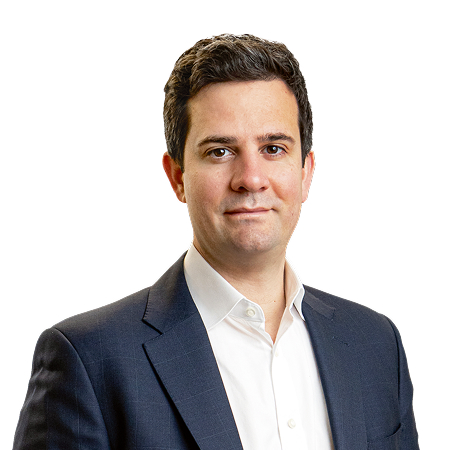
Marc Bishop Lafleche
Chief Executive Officer
Sustainability highlights 2025
SBTi near-term science-based emissions target
We have achieved the target of zero Scope 1 and Scope 2 emissions.
UNGC membership
This is our third full year as a UNGC participant and we submitted our third Communication on Progress in July 2025.
MSCI ESG Rating
Rated "A" by MSCI at the start of 2025.
Sustainalytics rating
Rated 8.1. (Negligible risk)
Engagement with our operators
We continued to work closely with our operators and in 2025 members of our team visited the Voisey’s Bay and EVBC projects.
2
Mine sites visited in 2025
Our sustainability framework
Our framework covers the life cycle of an investment: The work we do prior to investing (sustainability due diligence); the commodities we choose to invest in (thematic investing) and the ongoing monitoring of sustainability standards and compliance at the operations in our portfolio (operator engagement). This is all bound together by a commitment to effective governance.
Operator engagement
We continue to maintain an active dialogue with our operating partners, which includes engagement on sustainability-related topics and issues. We proactively monitor the performance of our portfolio assets and ensure early identification of, and engagement on, any sustainability related impacts, risks and opportunities.
Sustainability due diligence
Our approach to sustainability underpins our investment process when evaluating potential investment opportunities. We assess potential investment opportunities against our sustainability due diligence framework and ensure all our investments meet certain sustainability criteria. As a result, we continue to decline royalty and stream investment opportunities due to sustainability related issues.
Thematic investing
Ecora’s goal is to build a world-class royalty company focused on critical minerals and with copper at its core.
Materiality Assessment
During 2024 we conducted our first ever Materiality Assessment with the aim of identifying the sustainability risks and opportunities that are deemed most important to the business by our key stakeholders. Following a tender process, we appointed Ever Sustainable to perform the independent Materiality Assessment.
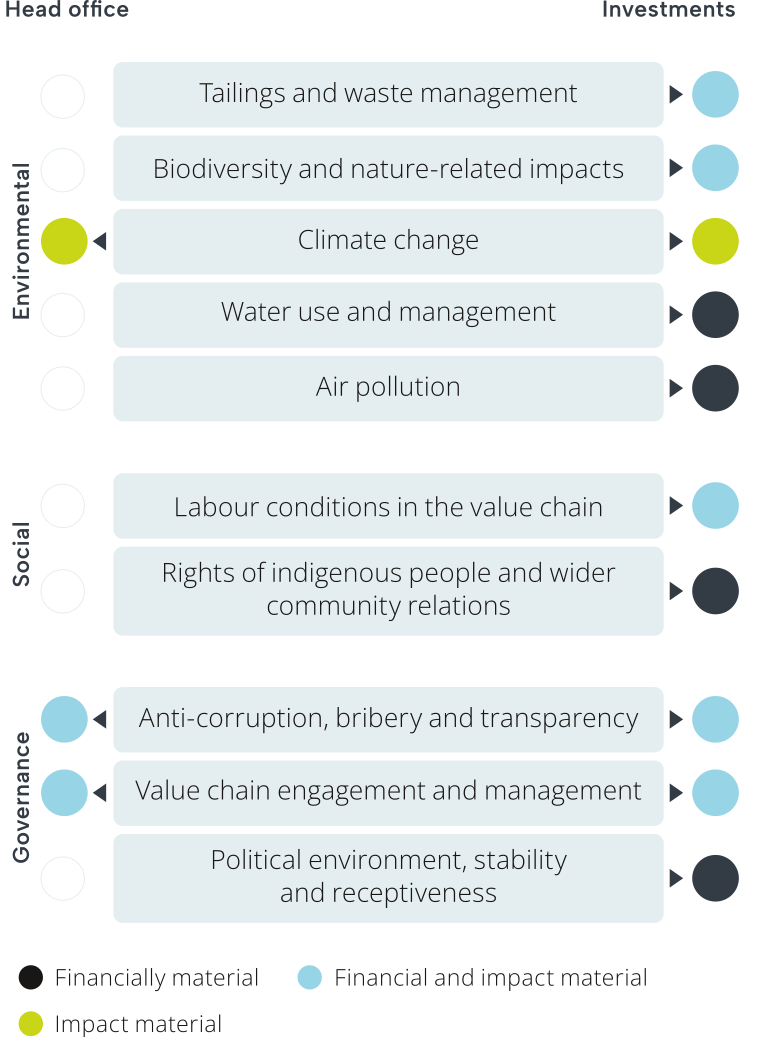
The assessment adopted a ‘compressed’ double materiality approach, informed by the principles of the International Sustainability Standards Board (ISSB) and the Corporate Sustainability Reporting Directive (CSRD). The process comprised two stages:
- Impact materiality: identifying sustainability topics where the Group’s activities may have significant positive or negative impacts on the environment or society and assessing the nature and scale of those impacts.
- Financial materiality: evaluating the extent to which the sustainability topics identified could reasonably be expected to affect the Group’s financial performance, position and future prospects.
We outline below the methodology followed to complete the Materiality Assessment:
Detailed review of peer companies’ approach to sustainability and our current policies, activities and disclosures; completed a value chain mapping exercise.
Utilised research alongside a review of sustainability standards and frameworks to identify and develop a list of sustainability topics to be assessed from both an impact and financial materiality perspective.
Key stakeholders, including employees, the Board of Directors, shareholders and operating partners, were engaged through surveys and interviews to assess the significance of the Group’s potential impacts across the agreed list of sustainability topics. A subsequent financial materiality workshop evaluated the extent to which these topics could affect the Group’s financial performance, position or future prospects.
Results from the impact and financial assessments were analysed to determine the material topics from both perspectives. Information was also collected on what stakeholders perceived as the key sustainability frameworks and ratings for Ecora.
Being a royalty and streaming business, we have a very light direct footprint with 12 employees, primarily based in one head office location. The results of the assessment were therefore broken down to assess impacts from a head office perspective as well as from the wider portfolio of royalties over mining operations and projects. The chart opposite shows the issues that were highlighted as being material on either an impact basis, financial basis, or both.
The results of the Materiality Assessment were endorsed by the Board and it was agreed that we would review the following in 2025:
Value chain engagement – continued to optimise our operator engagement and due diligence processes as a key means to mitigating sustainability risk at the operational level;
Biodiversity and nature related impacts – reviewed the regulatory and voluntary frameworks for biodiversity disclosures, developed disclosures around these issues; and incorporated them into our due diligence process
prioritised engagement with, and disclosure under, the ratings agencies and frameworks deemed most relevant by our key
Our purpose and commitments
Providing capital to the mining sector required to
supply the commodities central to a sustainable future.
Next steps
- Improve our sustainability disclosures by aligning with voluntary frameworks
- Enhance our contributions to charitable causes and the communities where our operators work
We are committed to:
- Conducting business ethically
- Diversity
- Encouraging international sustainability best practice
- Engaging with our stakeholders


Our memberships and commitments
At Ecora, we promote health and safety and diversity and inclusion, and continuously develop our employee culture, well-being and skill set. We are committed to operating our business with the highest standards of ethics and integrity. We proactively seek to align our frameworks with globally recognised initiatives such as the UNGC.
UN Global Compact and Sustainable Development Goals
Ecora joined the United Nations Global Compact (UNGC) in February 2022. As a participant, we are committed to voluntarily aligning our operations and strategy with the UNGC’s Ten Principles in the areas of human rights, labour, environment and anti-corruption. As such, in our continued support of the UNGC, we completed our second Communication on Progress describing the practical actions that we have taken and the qualitative and quantitative results of our Company in furtherance of the Ten Principles.
Our Communication on Progress is available on the UN Global Compact website.
Initiatives across our business help advance a number of the United Nations Sustainable Development Goals (SDGs), which were adopted by the United Nations in 2015 as a universal call to action to end poverty, protect the planet, and ensure that by 2030 all people enjoy peace and prosperity.
Marc Bishop Lafleche
Chief Executive Officer